When the world stood on the threshold of a nuclear apocalypse in the years of the Cold War, events took place in the church circles of Moscow and the Vatican that changed the architecture of the global confrontation.
Metz: a pact before the crisis
In October 1962, shortly before American intelligence discovered the Soviet missiles in Cuba, a pact was signed in the French city of Metz between the Russian Orthodox and the Roman Catholic Churches.
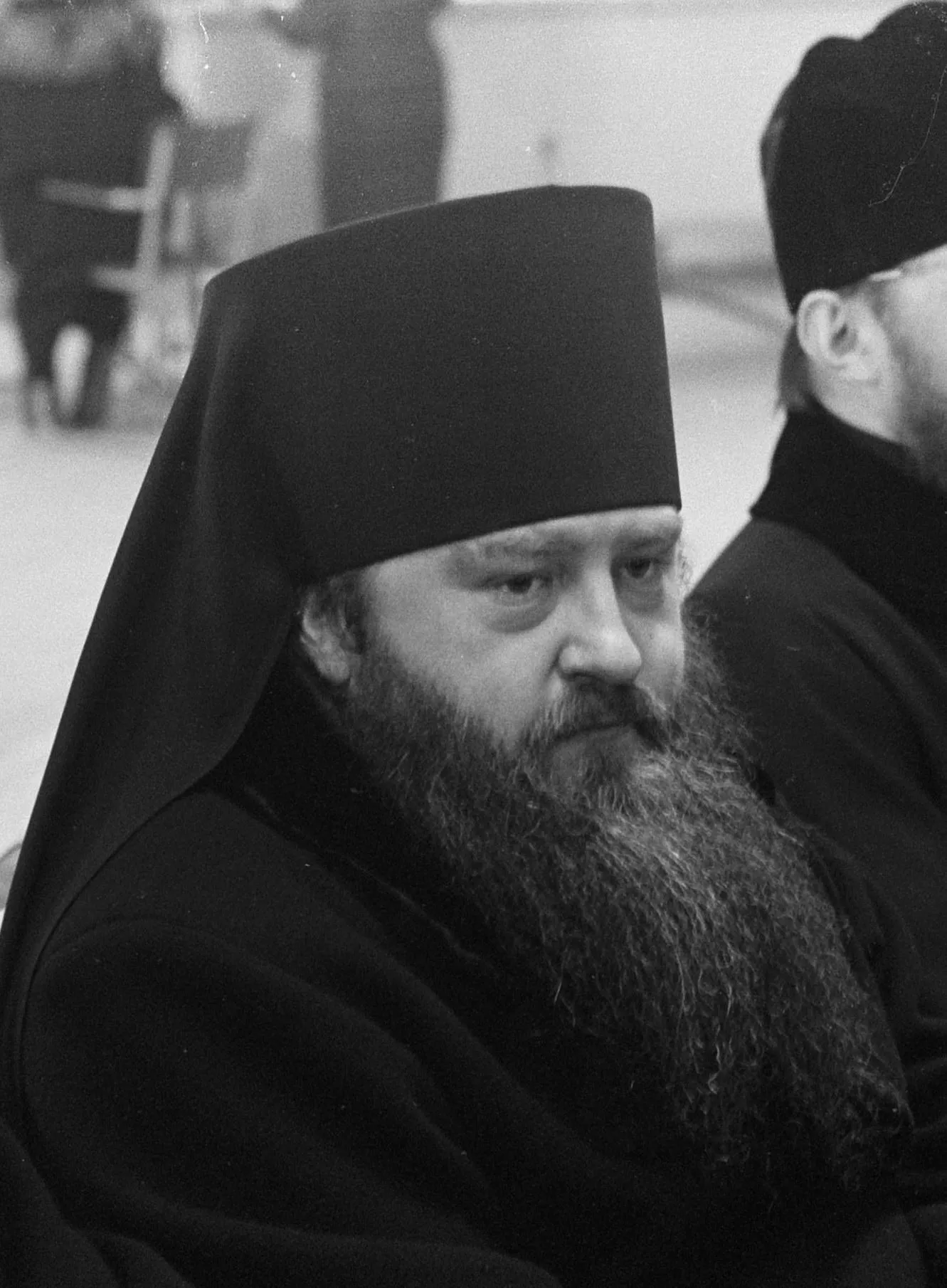
The Vatican was represented by Cardinal Eugène Tisserant; the Russian Orthodox Church, by Metropolitan Nikodim (Rotov).
What is little known is that alongside the mutually advantageous agreements on cooperation between the largest Orthodox and the largest Catholic confessions, understandings were reached between Moscow and Rome that made it possible to reduce the intensity of the Cuban crisis and to avoid the outbreak of a Third World War.
It was precisely at the height of the Cuban crisis that the Second Vatican Council was sitting under the aegis of the Roman Catholic Church — and for the first time in history a delegation of the Russian Orthodox Church took part in it.
A channel where diplomacy had run out
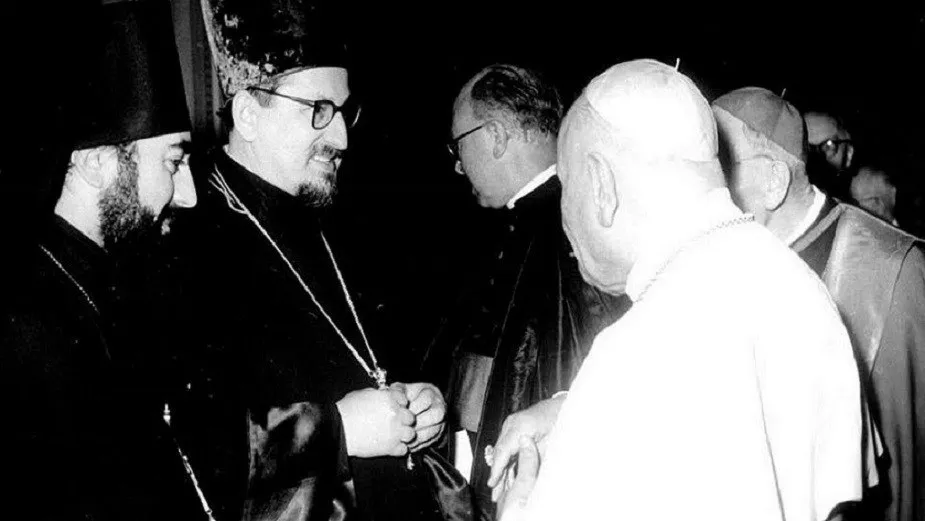
The arrival of the Russian Orthodox delegation was a signal to Washington that the Vatican had direct access to Khrushchev through a church diplomatic channel.
In the same way Moscow, through its own church delegation, obtained a line of communication with the government of the United States, provided by the Pope. John Kennedy was a Catholic, and so the Pontiff had direct access to the White House.
Thus the churchmen took upon themselves a peacemaking mission and a heavy responsibility: they became direct participants in the unofficial negotiations between two nuclear superpowers that had come to the brink of nuclear war.
25 October: the appeal that let both sides step back
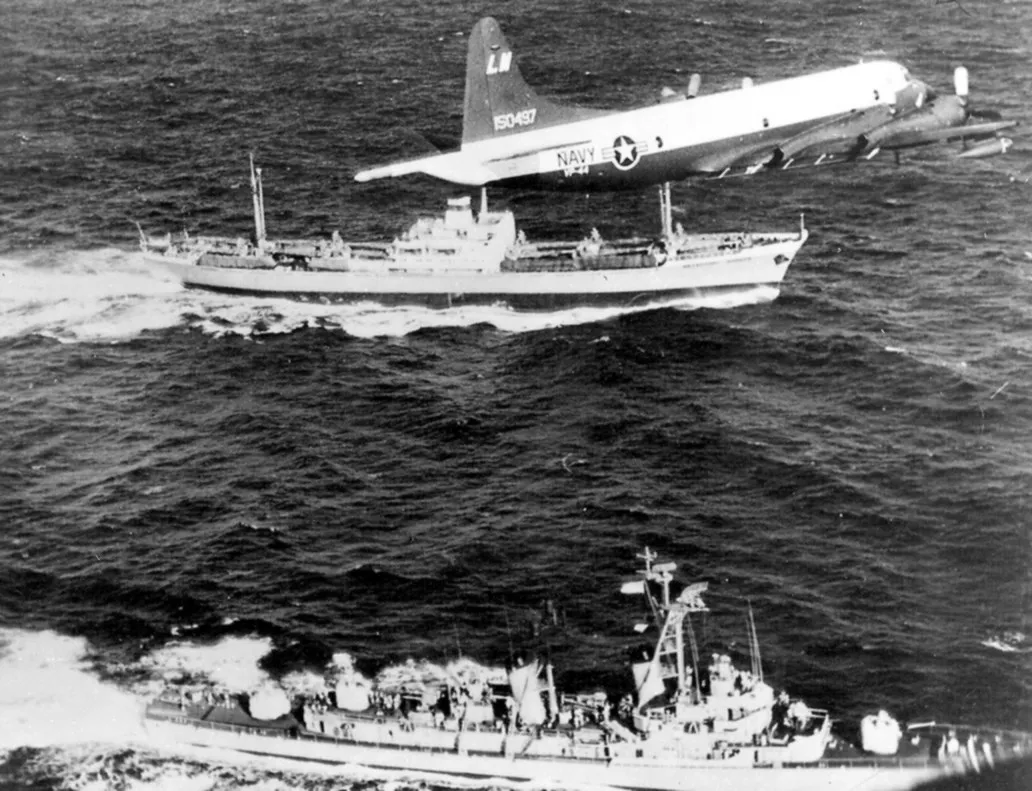
The result of this quiet but immensely important diplomatic work was the worldwide peace appeal of Pope John XXIII. On the day the crisis peaked — 25 October 1962, when Soviet vessels were steaming toward the American blockade and the nuclear missiles of both sides had been brought to the highest state of alert — the Pontiff read his message to the world on Vatican Radio, addressing himself directly to Nikita Khrushchev, to John Kennedy and to all humanity.
That appeal became the key diplomatic catalyst that helped the leaders of the USSR and the USA to halt the escalation of the Cuban crisis.
The Pontiff’s authority allowed the heads of the superpowers to step back without appearing defeated in the eyes of their own armies. The world was saved because both sides used the religious rostrum as an instrument of political maneuver.
Historical evidence from the archives confirms that the Pope’s address to world opinion had been agreed in advance with Washington and with Moscow.
The role of the Vatican, of Metropolitan Nikodim and of the unofficial church channels in the days of the Cuban crisis is set out in more detail in a separate piece by the Orthodox Diaspora project: “The Church and the Cuban Missile Crisis: How the Vatican and the Russian Orthodox Church Helped Prevent a War”.
History is cyclical
And so it was that Russian Orthodoxy and Western Catholicism saved the world from nuclear war.
History is cyclical. Perhaps in our own time of global destabilization and widening military conflicts the Church will once again come forward with a peacemaking mission, and give humanity one more chance to return to a peaceful existence.